

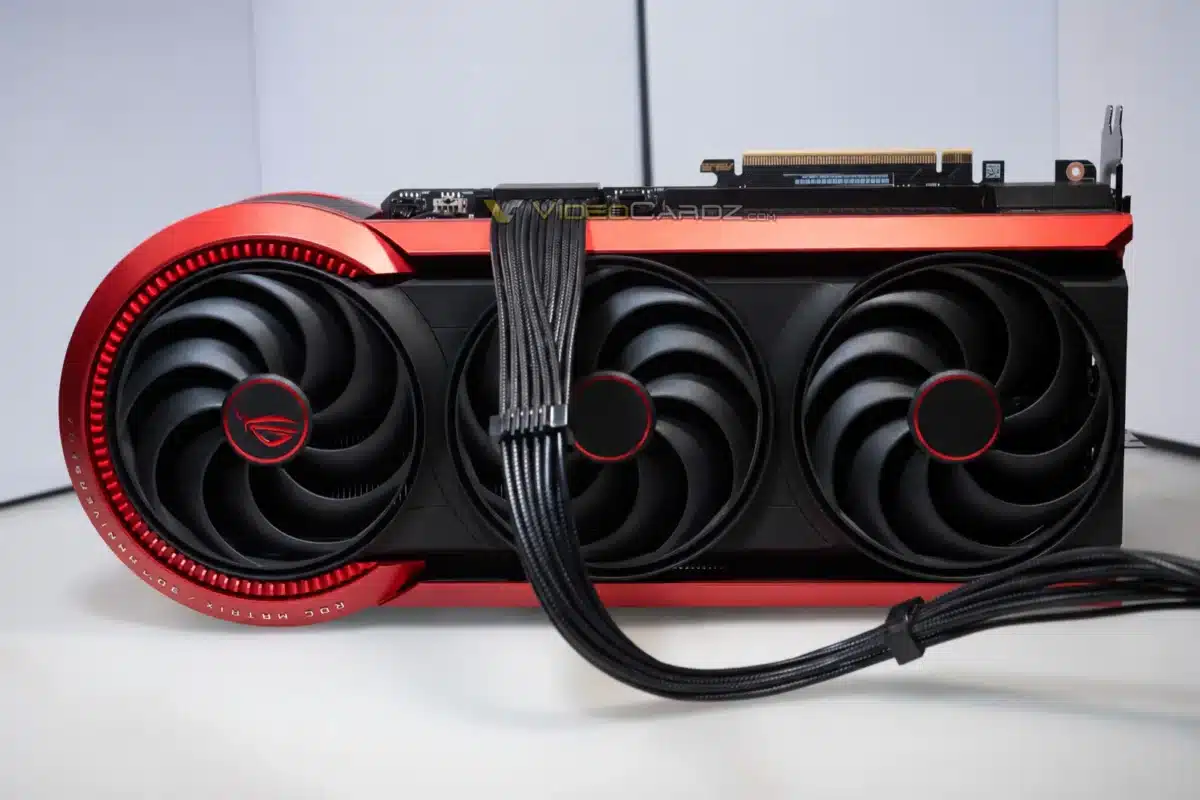
ASUS’s high-end graphics cards—specifically the ROG Astral RTX 5090 Edition 20 and ROG Matrix RTX 5090 models — were designed around a dual-power system. To reach the rated power of 800 W, the official configuration requires the use of a motherboard equipped with BTF technology. However, an alternative solution has recently emerged, allowing users to harness the full potential of these cards without being limited by this specific type of platform.
A technical workaround using a third-party adapter
The main constraint lies in the need to power the card via two separate paths. The first path traditionally runs through the BTF motherboard and the GC-HPWR connector, while the second comes directly from the power supply via the 12V-2×6 connector integrated into the graphics card. ASUS states that this dual power input is crucial for delivering up to 800 W and providing up to 10% additional headroom for overclocking on these two flagship models.
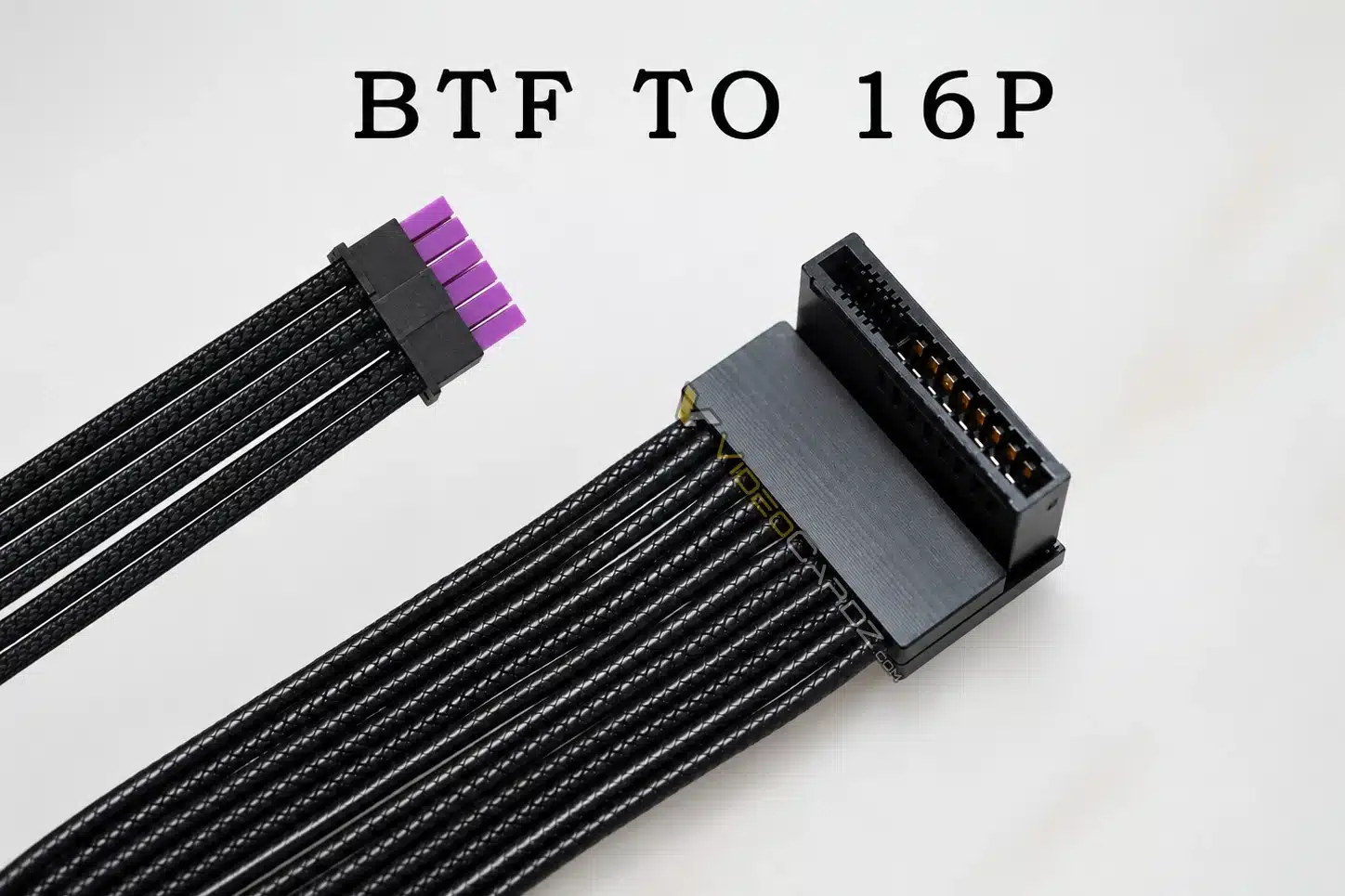
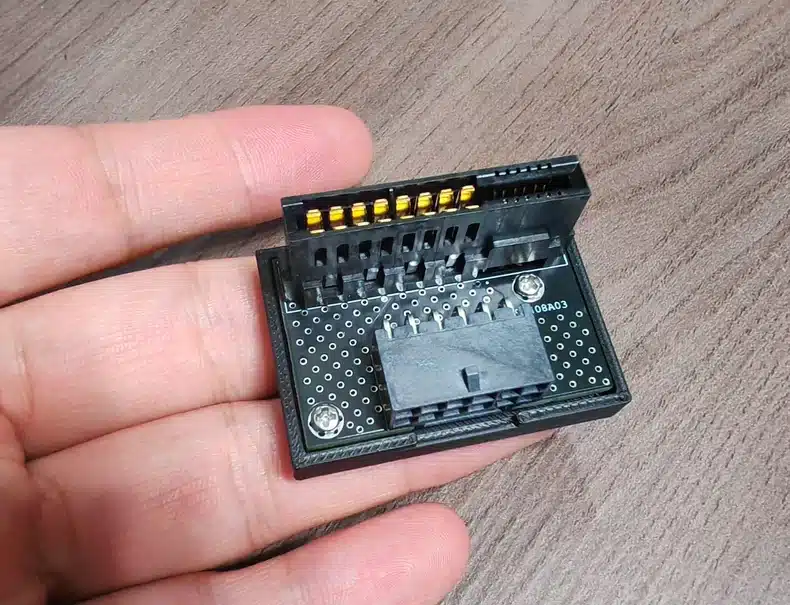
A Chinese seller recently introduced an adapter that converts the card’s detachable BTF GC-HPWR connector into a standard 16-pin power cable. This modification allows two power cables to be connected directly to the graphics card: one via the standard 12V-2×6 connector and the other via the now-converted GC-HPWR interface. By routing this second power path away from the motherboard, the adapter would theoretically make a dual-input configuration possible on a standard motherboard without BTF technology.
Cost and Risk Comparison
There are other options on the market, such as simple adapters that allow the existing cable to be connected directly, but these do not appear to be manufactured by ASUS. The product offered by the Chinese seller costs about 599 yuan, or nearly $90, making it much more affordable than the official ASUS cables, which are priced at 2,999 yuan, or almost $450. This price difference is significant for users looking to optimize their budget.
Nevertheless, a major concern remains regarding the safety of this design. ASUS could deny a warranty claim if it discovers that a third-party-modified cable has been used. From a technical standpoint, the adapter essentially performs the same function as the official BTF configuration: the 16-pin cable connects to the motherboard, which then routes power to the graphics card. The only difference is that the conversion takes place outside the motherboard via an external adapter.
This discovery, reported by VideoCardz and illustrated with images provided by a user named xuejizhang, opens the door to greater flexibility for owners of these graphics cards. It clearly eliminates the strict reliance on a BTF motherboard to unlock the full potential of the RTX 5090… But risks related to warranty and electrical safety remain issues to monitor closely.