










A Chinese website, Benchlife, recently published a list compiling all the leaks and information on the next generation of Intel processors. The list includes all the CPUs expected to be released in the near future.
Before discussing this list, it’s important to take a look at the current CPU situation.
Intel processors in trouble?
Intel is currently facing a major controversy due to problems with its 13th and 14th generation processors. Some chips are suffering irreversible damage over time. What’s more, RMA procedures are proving complicated.
These problems have weakened the company, which was already facing economic difficulties. This fragility is mainly due to massive investment in the creation of foundries and production problems. Intel is still unable to fully produce its own CPUs at its own facilities. For the next generation of CPUs, the company is once again having to call on the TSMC foundry for a large part of the production. This outsourcing of production poses an additional challenge, as it further reduces the company’s margins.
On the other hand, AMD, which had promised significant gains, encountered difficulties with the launch of its CPUs. The launch was delayed, and gaming gains fell well short of expectations. However, the performance is more interesting for professional tasks, particularly in data centers.
Arrow Lake: The solution to all problems?
With Arrow Lake, Intel has a real card to play in this situation of distrust, and in front of the competition from AMD which is stagnating in terms of performance and technology.
And so here is Intel’s likely response for next-generation processors, as established by the Benchlife site: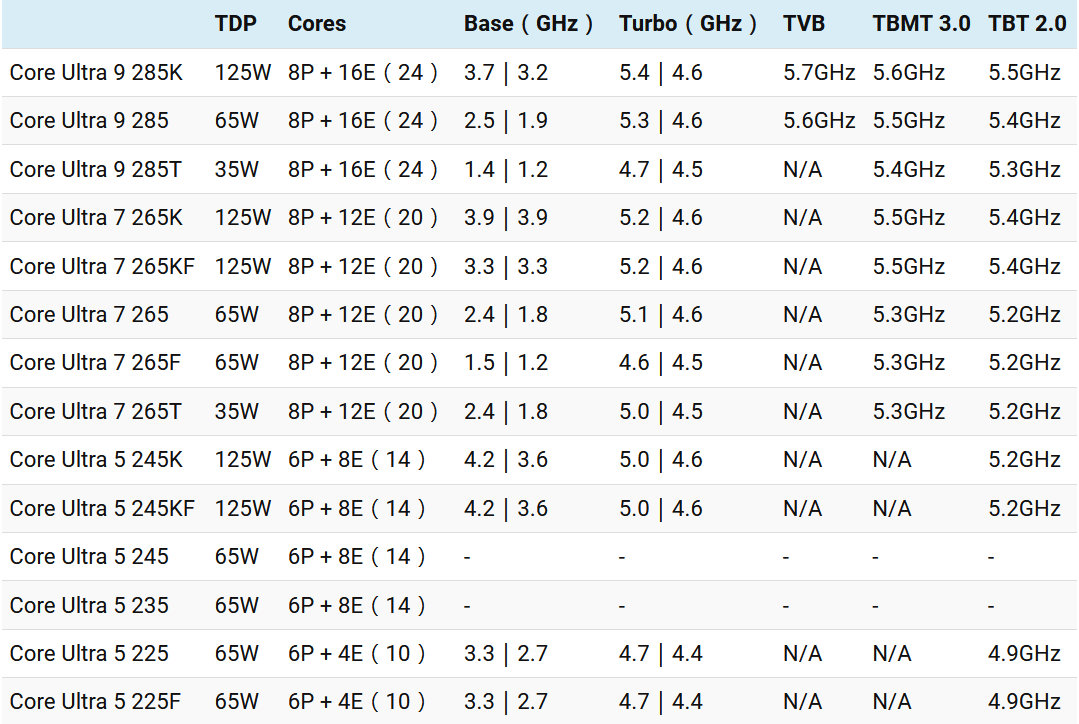
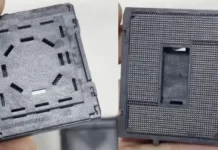
Arrow Lake will use socket LGA 1851 with 800 series motherboards and will only be DDR5 compatible. However, the biggest news and change in this next generation is the abandonment of hyper-threading.
The removal of hyper-threading should reduce latency, power consumption and heating of future CPUs, while offering performance gains, particularly in games. However, one of the disadvantages of doing away with hyper-threading is the reduction in multi-core performance. To compensate for this, Intel has reportedly doubled the performance of Efficient-Cores (E-cores).
According to current information, this new generation of Intel processors should be released on 10 October.