

As for NVIDIA, we’ve learned that the company will be implementing another price increase for the GPU/VRAM kits it sells to its partners. This price increase affects other graphics cards in the RTX 50 series. Initial price hikes had been planned, but they primarily concerned the RTX 5090 (D). In any case, this new increase has the potential to be reflected in retail prices, as AIBs have no choice but to either absorb this new increase or pass it on to the final retail prices.
RTX 50: Is Another Price Hike on the Horizon?
Is this linked once again to rising memory prices?
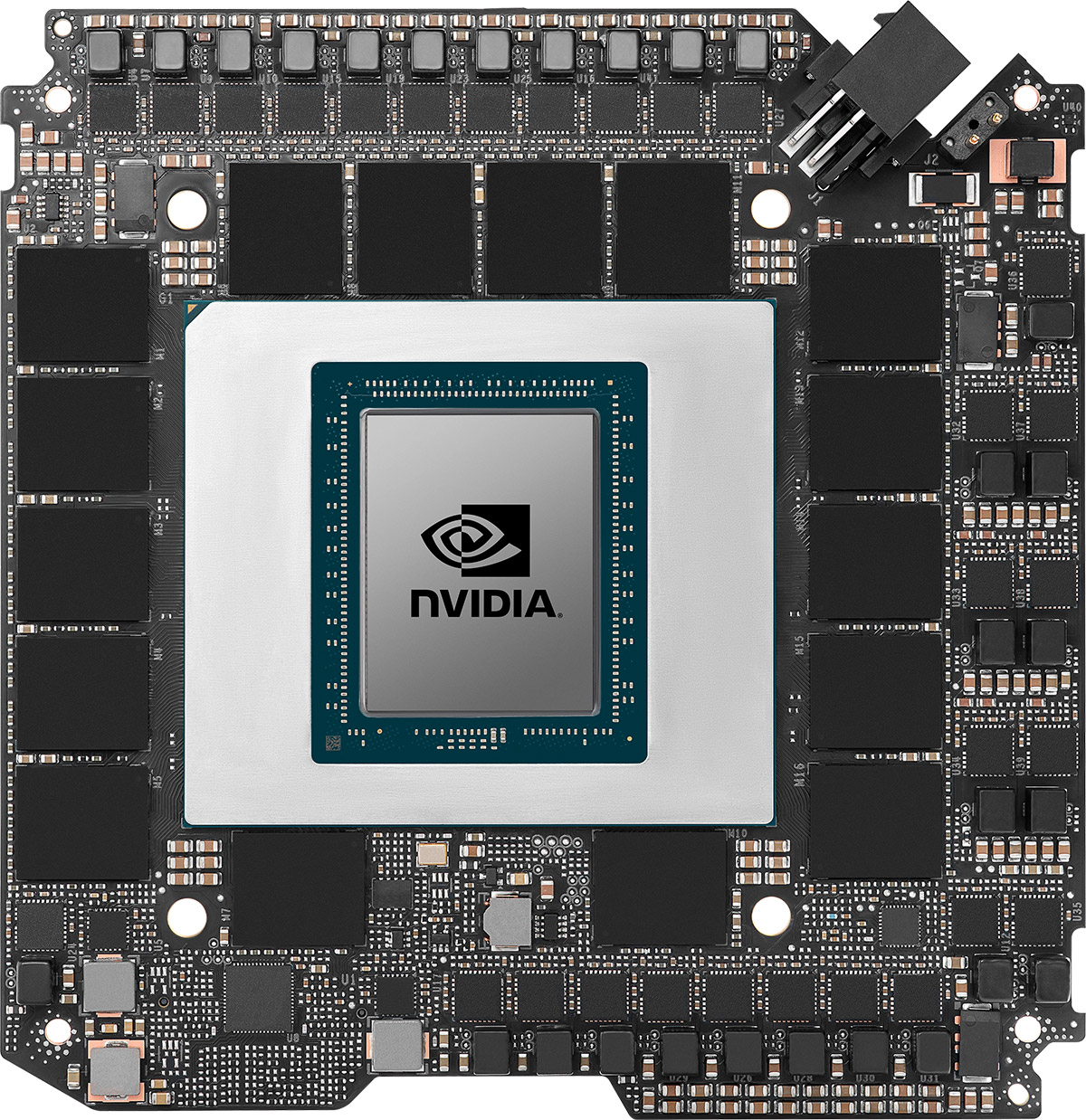
Broadly speaking, NVIDIA sells kits comprising a GPU and memory to its partners. These partners are at the mercy of VRAM prices because, if VRAM prices rise drastically, NVIDIA can no longer absorb the increases and is forced to sell the kits to its partners at a higher price. This creates a snowball effect, as AIBs must purchase components at higher prices, which reduces their margins. Consequently, they either absorb the extra costs if they can afford to, or pass them on to distributors, which ultimately shows up on the final price.
But while the cost of the GPU and VRAM are major expense categories in a graphics card, there are other factors to consider in the final price. These include the printed circuit board and the power stages, in particular. There are also packaging and shipping costs, which—with the turmoil in Iran and oil prices on the rise again—are set to increase. Generally, these costs tend to rise more gradually, but these days… Affordable graphics cards are nothing more than a distant memory.