

We like to tinker, and this time we have a new experiment involving a ventirad, a chiller and a graphics card (sounds like the beginning of a bad joke). The guy cuts out the aircooling heatsink, connects it to the chiller by cutting out the heatpipes’ tips, and mounts it on the graphics card. The result? More performance and better GPU cooling!
A ventirad cut out, connected to a chiller and then mounted on a graphics card!
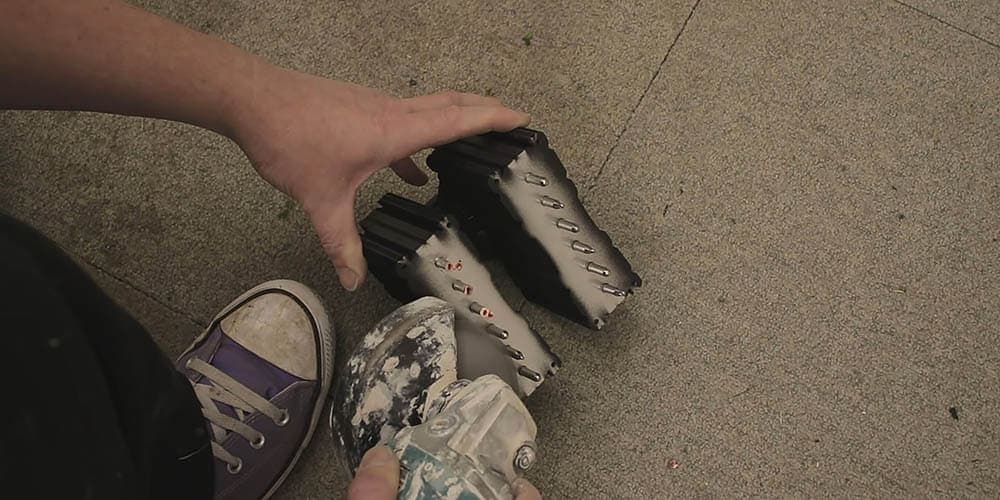
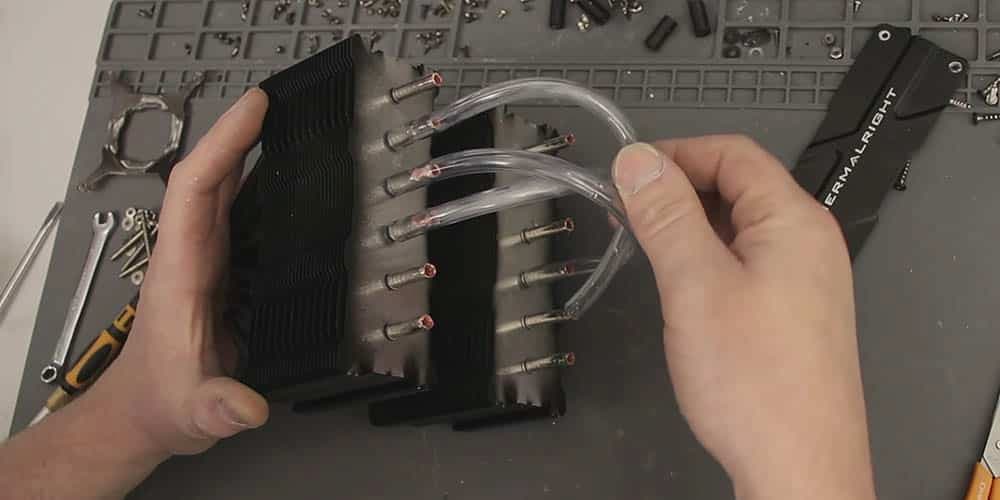
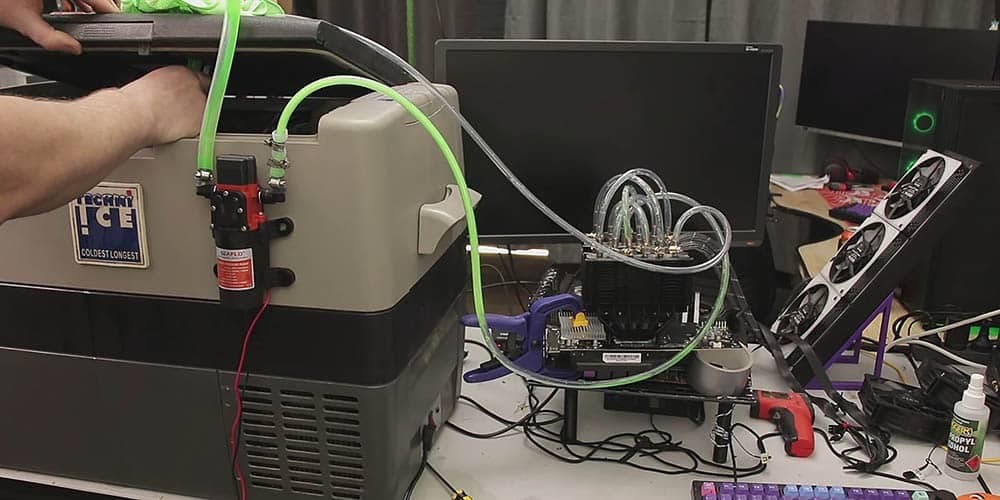
Now that’s the kind of fun we like to follow, as one videographer simply dismantled his Thermalrigh Peerless Assassin heatsink and cut out the heat pipe end caps. He then connected the structure to a chiller, which he then mounted on two graphics cards: an RTX 3070 and a GTX 960. Of course, a liquid containing antifreeze was used, as the water temperature dropped below 0°C. Finally, to avoid condensation, the graphics cards were insulated.
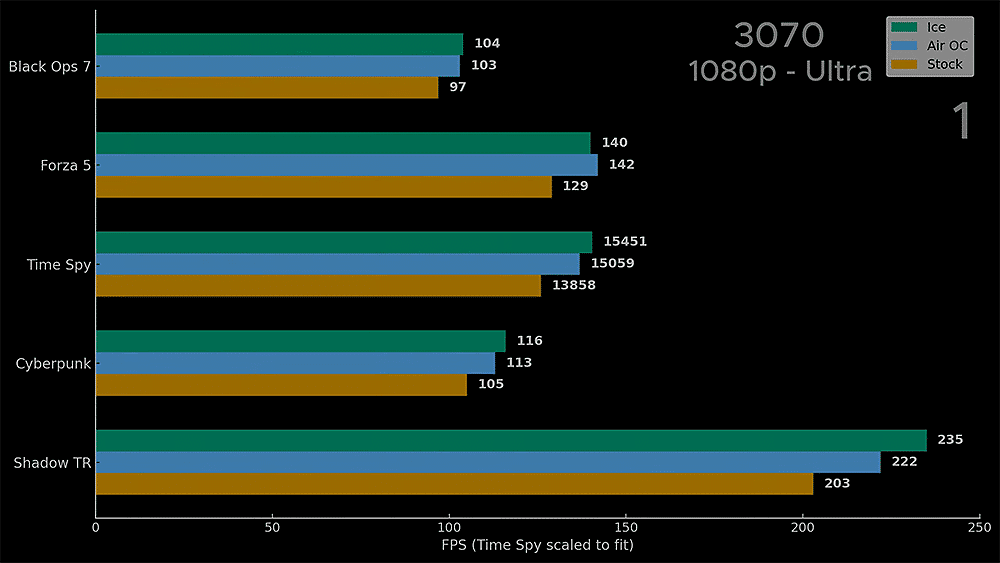
It’s an original idea that nobody thought of, but it’s one that’s paying off and working. In fact, this system is proving effective, and the RTX 3070 is gaining an average of 10% more performance thanks to this DIY approach. On Shadow of The Tomb Raider, the card goes from 203 FPS @stock to 235 FPS with this system. Sometimes, a good OC is enough to get the most out of performance, as on Forza 5, where framerate rises from 129 FPS to 142 with OC, whereas our modified ventirad only achieves 140 FPS. We should also point out that the GPU reached a temperature of just over 20°C.
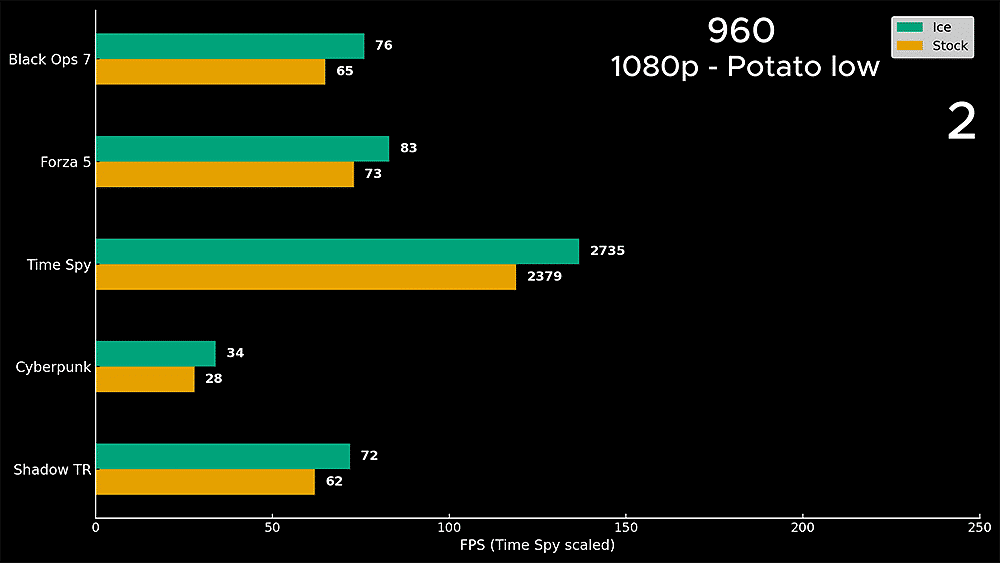
As for the GTX 960, this solution is effective in keeping the chip at 5°C with this system. Performance gains averaged 17%, with Call of Duty: Black Ops 7 gaining 11 FPS.
In short, it’s a system that enables GPUs, not at lower temperatures, to climb higher in frequency. We’re talking 200 MHz for the GTX 960, after all! Of course, even if it’s fun on paper, don’t reproduce it at home!